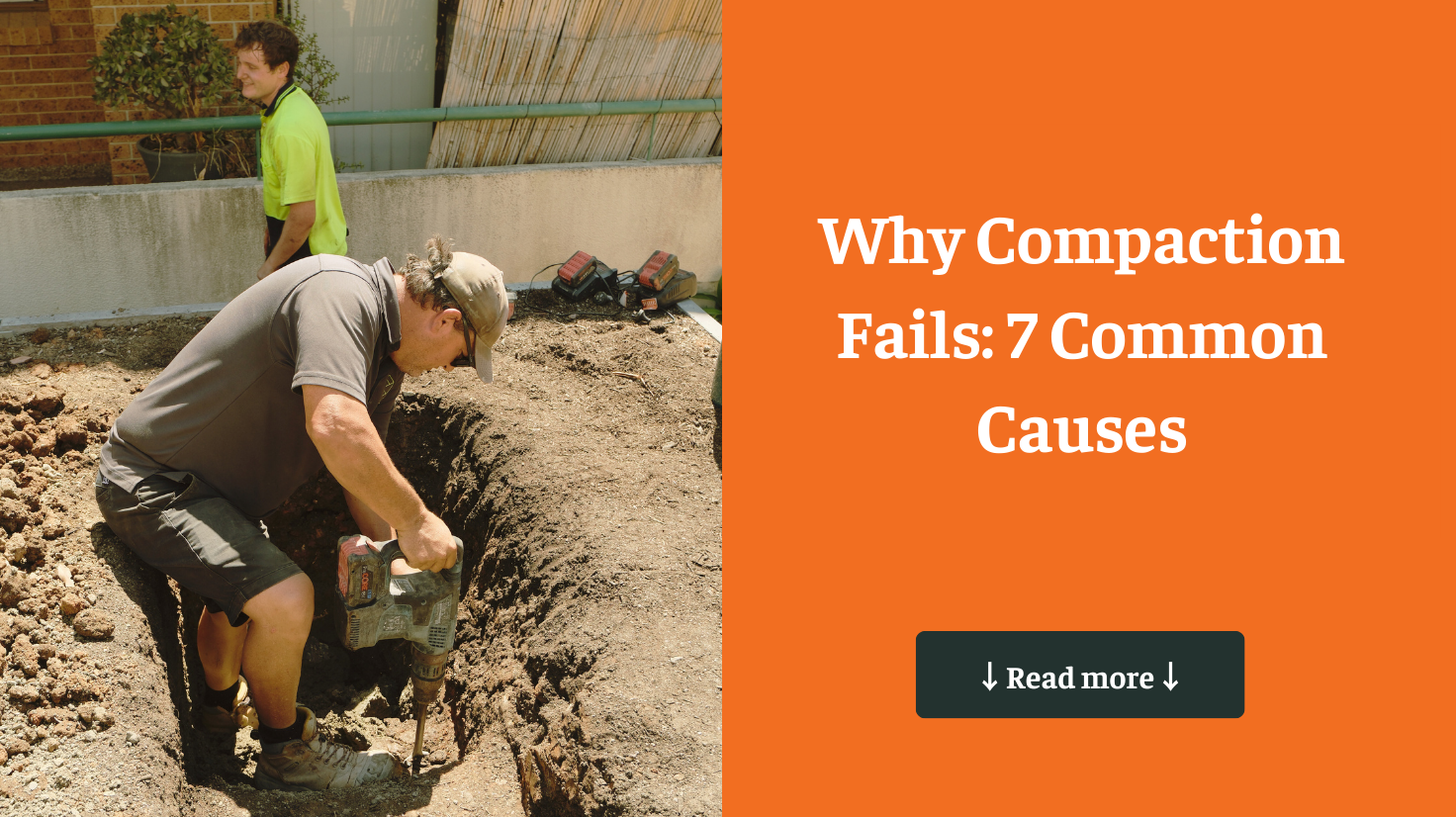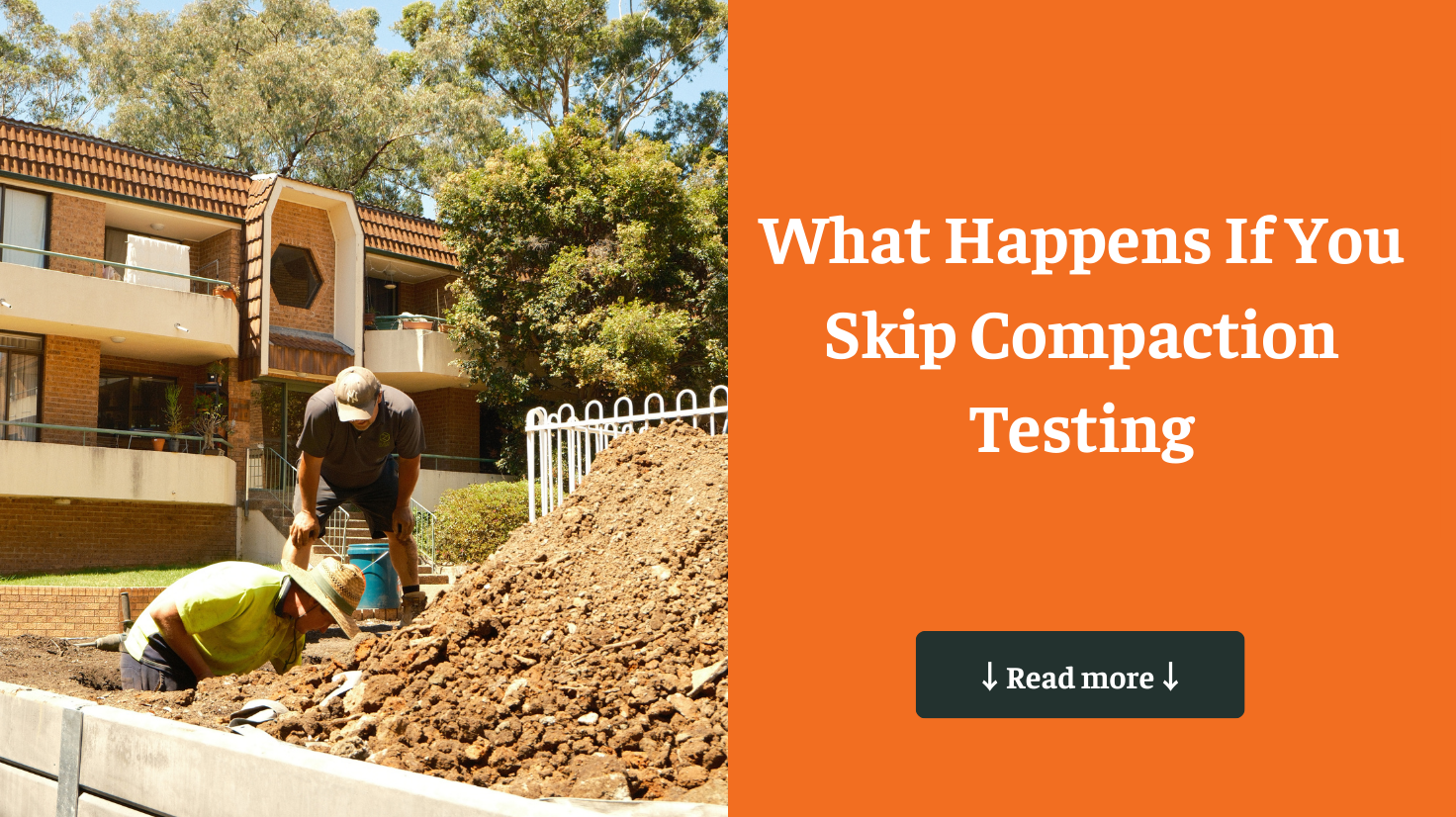

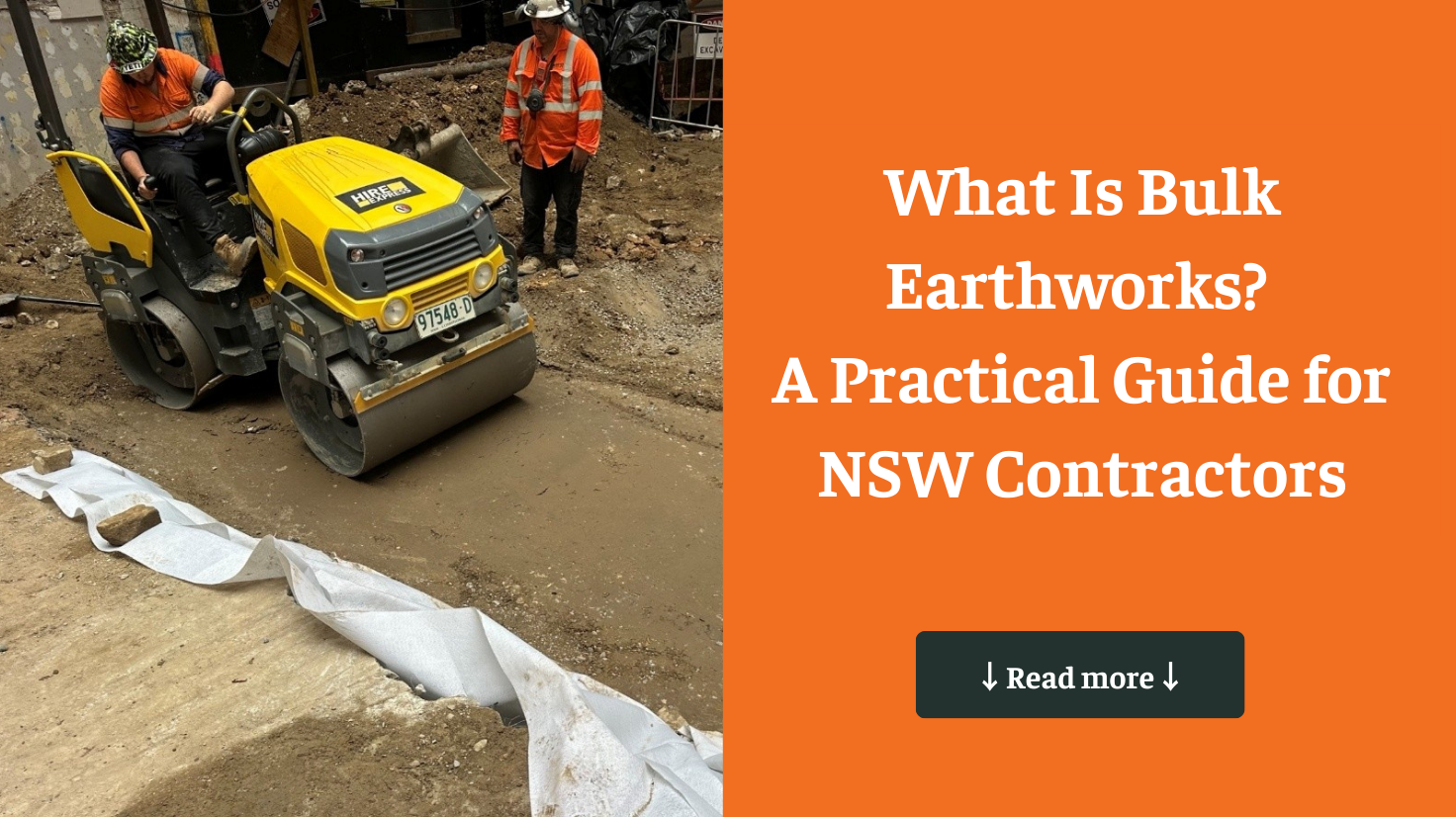
Bulk earthworks are the critical first phase of many civil and building projects — the process that transforms raw ground into a stable, construction-ready platform. For projects in NSW, doing bulk earthworks properly (and testing them thoroughly) can be the difference between a strong foundation and structural or compliance nightmares.
This guide walks you through each step of a correctly executed bulk-earthworks process, from site assessment to final certification, so you (the contractor, developer or engineer) know exactly what “bulk earthworks” should include.
1. Site Investigation & Soil Assessment
Before any digger hits the ground, a proper bulk-earthworks job starts with site investigation and soil assessment. This involves:
-
Collecting soil samples (test pits or boreholes), to check what’s beneath the surface.
-
Laboratory testing: analysing soil characteristics (e.g. grading, moisture, load-bearing capacity, plasticity, reactivity). This helps identify whether existing soil is suitable for building or must be replaced / treated. (see more)
-
Evaluating soil suitability and bearing capacity — essential for foundations, pavements, fill, or structural load.
This step ensures you understand ground conditions, and helps you plan the earthworks method (cut/fill, fill type, compaction, drainage) before starting heavy works.
2. Clearing, Stripping & Ground Preparation
Once soil conditions are known and planning completed, the next step is to prepare the ground:
-
Remove vegetation, topsoil, organic material or unsuitable surface soil (which is often poor quality for structural fill).
-
Excavate or strip topsoil and unsuitable layers.
-
If necessary — cut and fill: cut high areas and fill low areas to achieve design levels, or remove poor soil and plan for structural fill/imported engineered fill where required.
This ensures the base layer is stable and ready for controlled fill or engineered soil.
3. Importing / Placing Controlled Fill (If Required)
If natural ground or existing soil is unsuitable (too reactive, unstable, organic, etc.), you may need to bring in approved fill material, i.e. engineered fill or controlled fill — materials tested and certified to meet project requirements.
This fill must meet strict criteria — correct grading, compaction capability, no organic matter, low reactivity. Many soil types common in NSW (clays, reactive soils, coastal sands) require such controlled fill to guarantee long-term stability.
4. Layered Placement (“Lifts”) & Compaction
A key part of bulk earthworks — whether using imported fill or re-compacting existing soil — is placing material in thin layers (lifts), then compacting each layer before adding more. Typical process:
-
Place fill loosely in layers (e.g. 150 mm loose depth — depending on spec).
-
Condition moisture (wet or dry) to reach optimum moisture content.
-
Compact each layer using rollers, plate compactors, or other compaction tools.
This approach ensures each layer is compacted properly and uniformly — critical for foundation load-bearing, slab performance, roads, pavements, or any structural load above. Many geotech firms performing bulk earthworks follow exactly this layered-placement + compaction method
5. On-Site & Laboratory Testing + Quality Assurance
After (or during) compaction, soil and fill must be tested to verify compliance with engineering specs and standards. Typical tests / checks used in NSW bulk-earthworks:
-
In-situ density / field density tests (e.g. nuclear gauge, sand-cone, other density tests) to confirm compaction.
-
Moisture content vs optimum moisture content tests (to ensure compaction achieved at right moisture).
-
Particle Size Distribution (PSD), grading, plasticity, Atterberg limits, other geotechnical lab tests — for imported fill or reused fill material to confirm suitability.
-
If design requires — bearing capacity tests (e.g. CBR for pavements / slabs) or other strength tests, to verify the ground/fill will support load (see more)
Depending on project scale & risk, inspection may be under full-time supervision (Level 1) or testing only (Level 2) as per standard earthworks conformance practices in NSW.
6. Final Trim, Grading & Site Certification
Once compaction and testing confirm compliance:
-
Final grading, trimming to design levels, shaping for drainage, proper slope, drainage lines, surface finish.
-
Site/fill certified by geotechnical supervisor or testing authority (depending on scope): documentation of compaction, test results, conformance certificate — required for council, engineer sign-off, structural works to proceed.
-
If applicable — documentation for fill import/export (especially if importing fill, or removing excavated natural material), to meet environmental and council regulations (See more)
This final sign-off ensures the site is safe, stable, and compliant — ready for footings, slabs, roads or infrastructure.
7. Why Bulk Earthworks Must Be Managed & Tested Properly
Skipping or shortcuts in any of these steps may lead to:
-
Soil settlement or differential settlement → slab cracks, structural issues
-
Poor load-bearing capacity → pavement failure, foundation failure
-
Inconsistent compaction → uneven subsidence, water pooling, drainage issues
-
Non-compliance with standards / council requirements → delays, rework, legal or compliance risks
By following a full bulk-earthworks procedure (soil assessment → controlled fill/compaction → testing → certification) you reduce risk, ensure longevity, and deliver quality.
8. Summary — Your Bulk Earthworks Checklist (NSW Standard)
| Step | What to Do |
|---|---|
| 1 | Site & soil investigation and sampling |
| 2 | Clear, strip unsuitable soil, cut/fill if needed |
| 3 | Source controlled/approved fill (if natural soil unsuitable) |
| 4 | Place fill in layers (lifts) + compact each lift properly |
| 5 | Perform field and lab testing (density, moisture, PSD, strength) |
| 6 | Final trim, surface grading, drainage, site finish |
| 7 | Certification / compliance documentation (reports, test results, conformance certificate) |
9. Get Professional Bulk Earthworks Testing & Compliance
If you want a fully compliant bulk-earthworks solution — including soil assessment, controlled fill testing, on-site compaction supervision (Level 1 or Level 2), lab testing — consider engaging a specialist geotech & testing provider.
With the right process, testing and certification, you start your build on solid, compliant ground — reducing risk, protecting your investment, and giving structural certainty for years to come.